SEC Commissioner Hester Peirce: NFT royalties do not constitute securities
SEC member Hester Peirce clarified that NFT royalties are not securities, alleviating some concerns. However, the supervision of NFT trading platforms is still challenging, and the market urgently needs clearer guidance from the SEC.
(Preliminary summary: Nike's NFT trendy brand "RTFKT" was suddenly discontinued. Why did it give up when the market was recovering?)
(Background supplement: App Store policy update after Apple lost the lawsuit: Web3 and NFT applications are exempt from the "30% Apple tax", is there a chance for the Metaverse? )
Contents of this article
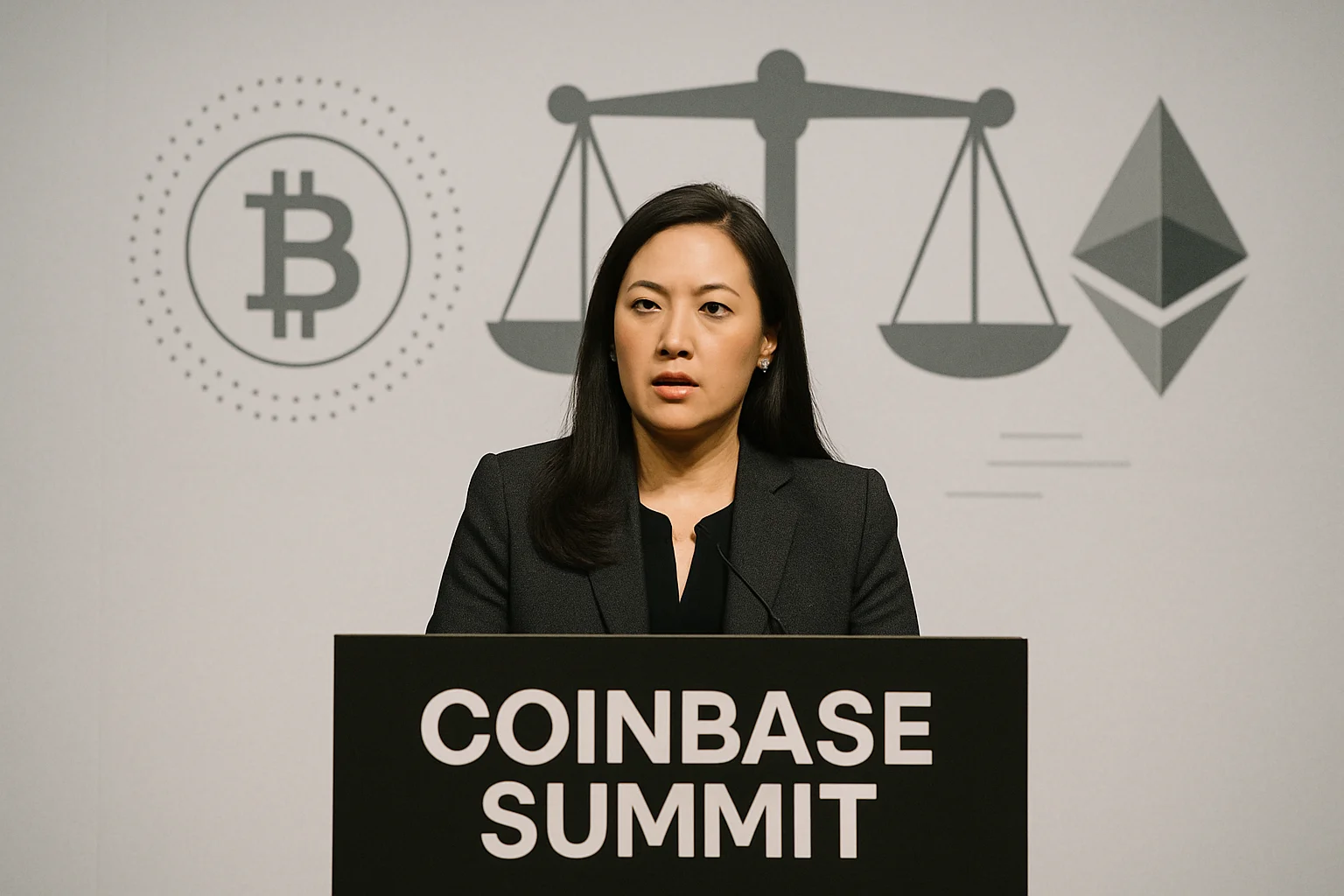
The regulatory approach to non-fungible tokens (NFT) has always been the focus of the market, especially regarding its legal nature and the applicability of securities regulations. Hester Peirce, a member of the U.S. Securities and Exchange Commission (SEC), known as the “Crypto Mom”, recently made a public statement that brought important clarification to whether the royalty mechanism of NFT constitutes a security. .
Debate on the securities nature of NFT royalties: Commissioner Peirce’s insights
Commissioner Hester Peirce made it clear in a speech that many NFTs, including those with royalty payment mechanisms, are likely not to fall within the jurisdiction of federal securities laws. She compared the royalty mechanism of NFTs to streaming platforms paying royalties to musicians or filmmakers, arguing that this arrangement allows artists to profit from secondary sales of their works, similar to creators receiving compensation from playback. Peirce emphasized:
“This feature does not confer on NFT holders any corporate rights or interests that are traditionally associated with securities.”
Although Commissioner Peirce’s remarks provide a certain degree of clarity, the legal community has a deeper interpretation of this
Legal opinions in the crypto industry
Enjin core contributor, Atlas Development Services chief legal officer Oscar Franklin Tan said in the report that Peirce's views were legally sound, but his remarks were misinterpreted by some media. Tan publicly stated:
"Peirce's speech has been widely misunderstood, and royalties have never been regarded as a security."
Tan explained that the core of U.S. securities laws is to regulate investment behavior, not that creators are compensated for the fruits of their labor. Artists or creators are not passive third-party investors, and the royalties they receive should be regarded as business income, not investment income within the scope of SEC regulation.
Using traditional paper contracts as an example, he asked whether such royalty arrangements would raise regulatory concerns if it were not for blockchain technology, thereby calling for prudent evaluation before regulatory intervention. However, Tan also warned that the situation will become more complicated when the distribution of NFT royalties and profits extends to multiple holders other than the original creator.
OpenSea supervision is still vague
Although the legal nature of NFT royalties itself has become clearer after Commissioner Peirce’s speech, its biggest beneficiaries are probably NFT issuers. However, regulatory challenges surrounding the “NFT trading platform” still exist. Back in August 2024, the major NFT trading platform OpenSea received a Wells Notice (Wells Notice) issued by the SEC. Notice), suggesting that certain NFTs traded on its platform may constitute unregistered securities.
Although OpenSea CEO Devin Finzer announced on February 22, 2025 that the SEC had officially ended its investigation of the platform and called it a major victory for the industry, this does not mean that the regulatory issues of the NFT trading platform have been settled.
After the investigation, OpenSea’s legal representatives wrote to Commissioner Peirce on April 9, advocating that NFT trading platforms should not be defined as “brokers” under U.S. securities regulations on the grounds that these platforms do not actually execute transactions or act as intermediaries. The letter also urges the SEC to make it clear that NFT trading platforms like OpenSea are not “exchanges” as defined by federal securities regulations. OpenSea’s experience fully highlights the legal uncertainty faced by NFT trading platforms in the absence of a clear regulatory framework.
Although the current administration led by President Trump may have different perspectives or policy priorities on the regulation of crypto assets, the current SEC’s internal discussions are still mainly focused on how the existing legal framework applies to emerging digital assets.
The future regulatory direction of the NFT ecosystem and how the competent authorities balance innovation and investor protection will remain key issues that blockchain and financial market participants must continue to pay close attention to.